
Introduction
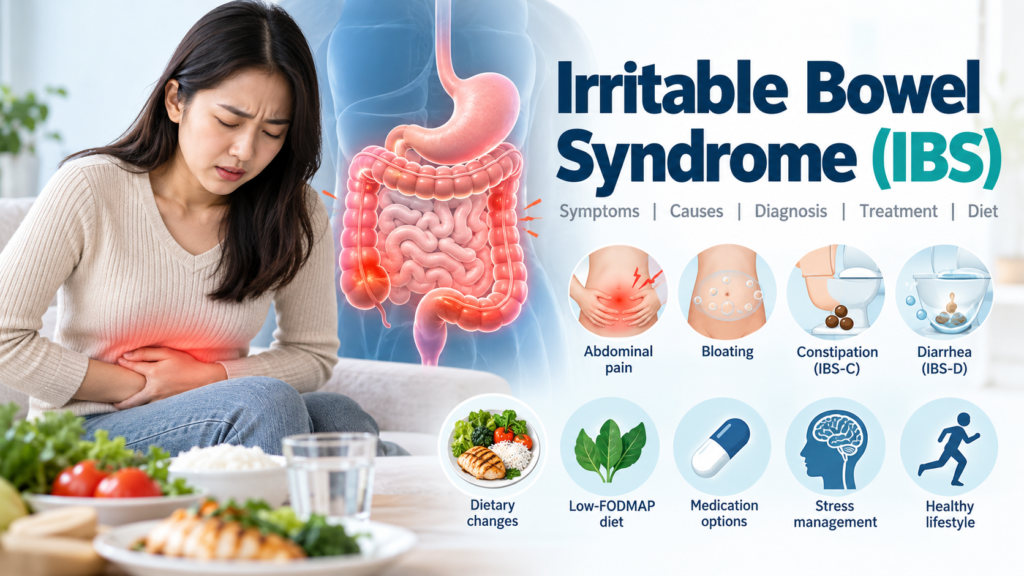
Irritable bowel syndrome (IBS) is a common chronic digestive condition that affects bowel habits and causes symptoms such as abdominal pain, bloating, constipation, and diarrhea. Symptoms may fluctuate over time and can interfere with eating, sleeping, working, traveling, and daily activities.
IBS is classified as a disorder of gut-brain interaction (DGBI). This means that communication between the digestive system and the brain, intestinal sensitivity, bowel movement patterns, and other biological factors can contribute to symptoms.
IBS is a genuine medical condition. It does not mean that symptoms are imaginary, and it does not cause the intestinal inflammation or structural damage characteristic of some other gastrointestinal diseases.
Although IBS can be long-lasting, many people achieve meaningful symptom improvement through individualized dietary changes, lifestyle adjustments, medication, and psychological therapies when appropriate.
This article explains the current evidence-based approach to diagnosing and managing IBS in adults.
1. What is irritable bowel syndrome?
IBS is characterized by recurrent abdominal pain associated with changes in bowel movements, including the frequency or appearance of stool.
The condition is different from inflammatory bowel disease (IBD), such as Crohn’s disease and ulcerative colitis. IBS generally does not cause visible intestinal ulcers or chronic intestinal inflammation.
The exact cause is not fully understood. Several mechanisms may contribute:
- Altered gut-brain communication: Changes in signaling between the central nervous system and digestive tract.
- Visceral hypersensitivity: Increased sensitivity to normal intestinal stretching or gas.
- Altered intestinal motility: Food and stool may move too quickly or too slowly through the bowel.
- Gut microbiome changes: Differences in intestinal microorganisms may contribute in some patients.
- Post-infectious changes: IBS may develop after an episode of gastroenteritis.
- Food-related symptoms: Certain fermentable carbohydrates can increase gas, bloating, and abdominal discomfort.
- Psychological and behavioral factors: Stress, anxiety, and poor sleep may amplify symptoms without being the sole cause.
Not every patient has all these mechanisms, and IBS is best understood as a multifactorial condition.
2. What are the symptoms of IBS?
The symptoms of IBS vary between individuals and may change from day to day.
Common symptoms include:
- Recurrent abdominal pain or cramping, often related to bowel movements.
- Abdominal bloating or a feeling of fullness.
- Excessive gas or flatulence.
- Diarrhea, constipation, or alternating episodes of both.
- Urgency to pass stool.
- A feeling of incomplete evacuation.
- Mucus in the stool in some patients.
Abdominal pain may improve after defecation, although this is not universal. Some people experience worsening pain before a bowel movement.
Symptoms can be triggered by particular foods, large meals, stress, inadequate sleep, or changes in routine.
Important: Persistent rectal bleeding, unexplained weight loss, fever, anemia, or progressive symptoms should not automatically be attributed to IBS.
3. What are the different types of IBS?
IBS is classified according to the predominant stool pattern. The Bristol Stool Form Scale can help determine the subtype.
| IBS subtype | Main characteristics |
|---|---|
| IBS-C | Constipation-predominant IBS; hard or lumpy stools are common. |
| IBS-D | Diarrhea-predominant IBS; loose or watery stools are common. |
| IBS-M | Mixed IBS; both hard and loose stools occur. |
| IBS-U | Unclassified IBS; symptoms meet IBS criteria, but the stool pattern does not fit the other subtypes. |
Correctly identifying the subtype is important because treatment for constipation may worsen diarrhea, while some antidiarrheal medicines may aggravate constipation.
4. What causes IBS?
There is no single cause of IBS. Factors associated with the condition include:
- A previous intestinal infection.
- Changes in intestinal motility and sensory processing.
- Altered communication between the gut and brain.
- Dietary intolerance or sensitivity to fermentable carbohydrates.
- Changes in gut microbiota.
- Family history and genetic susceptibility.
- Stress, anxiety, and sleep disturbances.
IBS can occur without any identifiable trigger. Patients should not be blamed for their symptoms, and management should focus on identifying treatable contributors.
5. How is IBS diagnosed?
IBS is usually diagnosed through a careful medical history, physical examination, and selected investigations. Current guidance supports a positive symptom-based diagnosis rather than performing extensive testing to exclude every possible disease.
Rome IV diagnostic criteria
The Rome IV criteria define IBS as recurrent abdominal pain, on average, at least one day per week during the previous three months, associated with at least two of the following:
- Pain related to defecation.
- A change in the frequency of stool.
- A change in the form or appearance of stool.
Symptoms must have started at least six months before diagnosis.
The criteria are a useful clinical framework, but clinicians should consider the full presentation and alternative diagnoses.
Recommended initial investigations
Depending on the symptoms, age, risk factors, and local practice, a clinician may request:
- Complete blood count (CBC): To assess for anemia or other abnormalities.
- C-reactive protein (CRP) or erythrocyte sedimentation rate (ESR): When assessing for inflammatory disease.
- Celiac serology: Particularly in patients with diarrhea or mixed bowel symptoms, where testing is available.
- Fecal calprotectin: In selected patients with diarrhea to help distinguish inflammatory bowel disease from a non-inflammatory condition.
- Stool tests: When infection, parasites, or another stool-related disorder is suspected.
Additional investigations should be guided by the clinical presentation. For example, persistent watery diarrhea may warrant evaluation for bile acid diarrhea or microscopic colitis.
Is colonoscopy necessary?
Colonoscopy is not routinely required for every person with typical IBS symptoms and no warning signs.
It may be indicated when there is rectal bleeding, iron-deficiency anemia, unexplained weight loss, a concerning family history, new symptoms in an older adult, persistent nocturnal diarrhea, or an indication for colorectal cancer screening.
Patients with severe, atypical, or treatment-resistant symptoms may need further evaluation.
6. Warning signs that require medical assessment
Although IBS is common, other diseases can produce similar symptoms. Seek medical assessment if you experience:
- Blood in the stool or black, tarry stool.
- Unexplained weight loss.
- Iron-deficiency anemia.
- Persistent fever.
- Diarrhea that repeatedly wakes you from sleep.
- A palpable abdominal mass.
- Persistent vomiting or progressive abdominal distension.
- A new and persistent change in bowel habits, particularly at an older age.
- A family history of colorectal cancer, inflammatory bowel disease, or celiac disease.
Severe abdominal pain, significant bleeding, fainting, or signs of dehydration require urgent evaluation.
7. How is IBS treated?
There is no single treatment that works for everyone. Management should be tailored to the dominant symptoms, patient preferences, available therapies, and response to previous treatment.
The main goals are to reduce abdominal pain and bloating, improve bowel habits, restore daily functioning, and improve quality of life.
A. Dietary management
Dietary modification is often an important first step.
Eat regular meals. Avoid skipping meals or eating very large portions. Eating slowly may reduce swallowed air and post-meal discomfort.
Maintain adequate hydration. Fluid requirements vary with climate, activity, and medical conditions. Patients with heart failure or kidney disease may need individualized fluid advice.
Adjust fiber intake. Soluble fiber, such as psyllium (ispaghula), can improve global IBS symptoms, especially constipation. Start with a low dose and increase gradually to reduce gas and bloating. Insoluble fiber, such as wheat bran, may worsen symptoms in some patients.
Identify individual food triggers. Coffee, alcohol, fatty meals, spicy foods, lactose-containing products, or particular fermentable carbohydrates may aggravate symptoms in some people. Avoid unnecessary long-term food restrictions.
B. The low-FODMAP diet
A low-FODMAP diet may improve abdominal pain, bloating, and bowel symptoms in selected patients.
FODMAPs are fermentable carbohydrates that are incompletely absorbed or rapidly fermented in the intestine. Examples include certain carbohydrates in:
- Onions and garlic.
- Some beans and legumes.
- Certain wheat-based products.
- Milk and other lactose-containing foods in people with lactose malabsorption.
- Apples, pears, and some other fruits.
- Products containing excess fructose or polyol sweeteners.
A low-FODMAP diet is not intended to be permanently restrictive. It generally involves three phases:
- Restriction: Temporarily reduce high-FODMAP foods.
- Reintroduction: Systematically test food groups to identify individual triggers.
- Personalization: Maintain the broadest, nutritionally balanced diet that controls symptoms.
The restriction phase is usually limited to approximately 2–6 weeks before reassessment. A trained dietitian is particularly helpful because prolonged restriction may reduce dietary variety and nutritional adequacy.
For Cambodian patients, practical adjustments may include reviewing portions of rice-based meals, onion and garlic in soups or sauces, milk in beverages, fruit choices, and sweeteners rather than eliminating traditional foods indiscriminately.
C. Lifestyle and behavioral measures
Lifestyle changes can support symptom control:
- Exercise regularly according to ability.
- Maintain a consistent sleep schedule.
- Practice relaxation, breathing exercises, or mindfulness.
- Eat meals at relatively regular times.
- Keep a food and symptom diary.
- Address anxiety, stress, or other factors that interfere with daily functioning.
Psychological therapies are not an indication that IBS is imaginary. They can help modify pain processing and the gut-brain response.
8. Medications for IBS
Medication should be selected according to the patient’s symptoms, medical history, contraindications, and local availability.
IBS with constipation (IBS-C)
Options may include:
- Psyllium: Soluble fiber that can improve stool consistency and frequency.
- Polyethylene glycol (PEG): An osmotic laxative that may improve constipation, although its effect on abdominal pain is less reliable.
- Linaclotide or plecanatide: Guanylate cyclase-C agonists that can improve constipation and abdominal pain where available.
- Lubiprostone: A chloride channel activator used in selected patients.
- Tenapanor: An intestinal sodium-hydrogen exchange inhibitor available for IBS-C in certain countries.
Some prescription treatments are not available in every country. Diarrhea is an important potential adverse effect of several IBS-C medicines.
IBS with diarrhea (IBS-D)
Depending on the presentation, treatment may include:
- Loperamide: May reduce stool frequency and urgency, but does not reliably treat global IBS symptoms or abdominal pain.
- Rifaximin: A non-absorbed antibiotic that can improve global symptoms in selected patients with IBS-D; availability and approved indications vary.
- Eluxadoline: An option in certain countries for selected patients, but it has important contraindications, including patients without a gallbladder and those with certain pancreatic or biliary risks.
- Alosetron: Reserved for selected patients with severe IBS-D in jurisdictions where it is approved, because of serious potential complications.
Persistent diarrhea should be assessed for alternative causes before long-term symptomatic treatment.
Abdominal pain and cramping
Possible treatments include:
- Antispasmodics, depending on the specific drug and local evidence.
- Enteric-coated peppermint oil in selected patients.
- Low-dose tricyclic antidepressants, such as amitriptyline, for persistent pain and global symptoms under medical supervision.
Peppermint oil can worsen gastroesophageal reflux. Antispasmodics may cause dry mouth, blurred vision, dizziness, or constipation, depending on the agent.
Gut-brain neuromodulators
Low-dose tricyclic antidepressants can help reduce visceral pain and improve overall symptoms in some patients. Other neuromodulators may be considered for selected patients, taking into account coexisting symptoms and adverse effects.
The doses and treatment goals used for IBS may differ from those used to treat depression. These medicines should be prescribed and monitored by a clinician.
Probiotics
Evidence for probiotics is inconsistent because effects differ among strains and products. Some patients may choose a time-limited trial, but no single probiotic can be recommended universally. Stop if there is no meaningful improvement.
Psychological therapies
IBS-specific cognitive behavioral therapy (CBT) and gut-directed hypnotherapy can be helpful, particularly when symptoms persist despite usual treatment or substantially affect quality of life.
Opioids should generally be avoided for chronic IBS pain because of dependence, adverse effects, and the risk of narcotic bowel syndrome.
9. When should patients see a gastroenterologist?
Referral should be considered when:
- The diagnosis remains uncertain.
- Warning signs or abnormal investigations are present.
- Symptoms are severe or significantly impair quality of life.
- First-line dietary and medical treatments have failed.
- Chronic diarrhea requires further investigation.
- Specialized treatment or psychological therapy is needed.
Patients with persistent symptoms should have their diagnosis and treatment plan reviewed rather than simply receiving repeated courses of medication.
10. Can IBS be cured?
IBS is a chronic condition that may relapse and remit. There is currently no single cure that works for everyone.
However, many patients achieve substantial symptom control with individualized management. Some have long periods with minimal symptoms, while others need ongoing adjustments to diet, medication, and lifestyle.
The treatment plan should be reviewed regularly, with unnecessary medications and overly restrictive diets reduced when possible.
Frequently Asked Questions (FAQ)
1. Is irritable bowel syndrome dangerous?
IBS itself is not generally associated with intestinal tissue damage or an increased risk of colorectal cancer. However, symptoms that suggest another disease must be investigated rather than automatically attributed to IBS.
2. What is the main cause of IBS?
There is no single cause. Altered gut-brain communication, visceral hypersensitivity, bowel motility changes, food-related triggers, microbiome changes, and previous intestinal infections may all contribute.
3. What foods should I avoid if I have IBS?
There is no universal list. Common triggers include certain fermentable carbohydrates, large fatty meals, caffeine, and lactose in people who do not tolerate it. Identify individual triggers instead of eliminating many foods unnecessarily.
4. Is rice good for IBS?
Plain rice is generally a low-FODMAP food and is often tolerated well. However, sauces, seasonings, portion sizes, and other ingredients in a meal may affect symptoms.
5. Can stress cause IBS?
Stress can worsen symptoms by affecting gut-brain communication and pain sensitivity. IBS is a biological condition, and stress is only one possible contributor.
6. What is the difference between IBS and IBD?
IBS is a disorder of gut-brain interaction that generally does not cause intestinal inflammation or structural damage. IBD includes Crohn’s disease and ulcerative colitis, which cause intestinal inflammation and may lead to complications.
7. Can IBS cause bloating every day?
Yes. Bloating is common in IBS and may be related to intestinal sensitivity, gas handling, bowel motility, or food triggers. Persistent or progressive abdominal distension still requires appropriate assessment.
8. Can IBS cause diarrhea and constipation alternately?
Yes. This pattern is called mixed-type IBS (IBS-M). Treatment should address the predominant symptoms while avoiding medicines that worsen the opposite bowel pattern.
9. Do I need a colonoscopy to diagnose IBS?
Not always. A typical symptom pattern, clinical assessment, and selected tests may be sufficient. Colonoscopy is appropriate when warning signs are present, colorectal cancer screening is due, or the clinical presentation warrants further investigation.
10. Are probiotics effective for IBS?
Some people may benefit from certain products, but results are inconsistent. There is insufficient evidence to recommend one probiotic strain or product for all patients.
11. Can IBS be treated permanently?
There is no universally effective permanent cure. However, symptoms can often be controlled with a personalized combination of diet, lifestyle changes, medication, and gut-brain therapies.
12. When should I seek urgent medical care?
Seek urgent assessment for severe or rapidly worsening abdominal pain, significant gastrointestinal bleeding, fainting, persistent vomiting, or signs of severe dehydration. Unexplained weight loss, anemia, and persistent nocturnal symptoms also require medical evaluation.
Conclusion
Irritable bowel syndrome is a common, multifactorial digestive condition that can affect quality of life but is often manageable with an evidence-based approach.
A positive clinical diagnosis, targeted testing, individualized dietary advice, appropriate symptom-directed medication, and attention to gut-brain interaction form the foundation of care. The low-FODMAP diet may help selected patients when used as a structured, time-limited intervention, while psychological therapies can improve symptoms in appropriate cases.
Patients should seek medical assessment for warning signs and avoid unnecessary testing, restrictive diets, or unproven treatments. With a personalized treatment plan and regular follow-up, many people with IBS can achieve meaningful and sustained improvement.
Medical disclaimer: This article is for educational purposes only and does not replace individualized medical assessment, diagnosis, or treatment. Consult a qualified healthcare professional for persistent symptoms, warning signs, or medication advice.
References
- Choi Y, Youn YH, Kang SJ, et al. 2025 Seoul Consensus on Clinical Practice Guidelines for Irritable Bowel Syndrome. Journal of Neurogastroenterology and Motility. 2025;31(2):133–169. doi:10.5056/jnm25007. Read the full guideline.
- Lacy BE, Pimentel M, Brenner DM, et al. ACG Clinical Guideline: Management of Irritable Bowel Syndrome. The American Journal of Gastroenterology. 2021;116(1):17–44. doi:10.14309/ajg.0000000000001036. ACG guideline resources.
- Vasant DH, Paine PA, Black CJ, et al. British Society of Gastroenterology guidelines on the management of irritable bowel syndrome. Gut. 2021;70(7):1214–1240. doi:10.1136/gutjnl-2021-324598. Read the guideline.
- Black CJ, Ford AC. An evidence-based update on the diagnosis and management of irritable bowel syndrome. Expert Review of Gastroenterology & Hepatology. 2025;19(3):227–242. Read the review.
- National Institute for Health and Care Excellence (NICE). Irritable bowel syndrome in adults: diagnosis and management. Clinical guideline CG61. NICE guidance.
- Drossman DA, Hasler WL. Rome IV—Functional GI Disorders: Disorders of Gut-Brain Interaction. Gastroenterology. 2016;150(6):1257–1261. doi:10.1053/j.gastro.2016.03.035.