
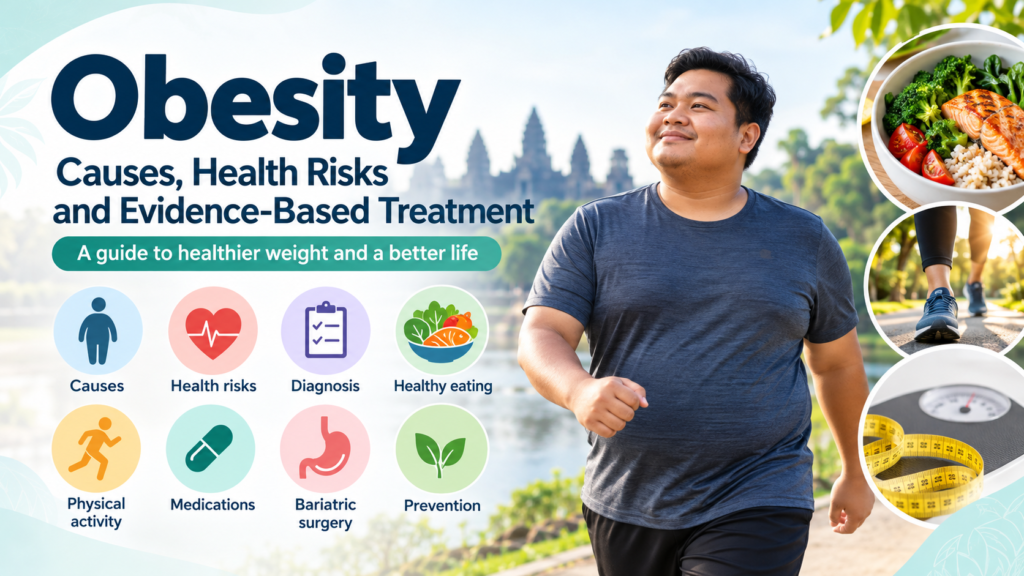
Obesity is a chronic disease that can affect almost every organ in the body. It increases the risk of type 2 diabetes, hypertension, cardiovascular disease, fatty liver disease, sleep apnea, osteoarthritis, and certain cancers. The good news is that obesity can be managed with evidence-based lifestyle interventions, appropriate medications, and metabolic or bariatric surgery when indicated.
Modern obesity care focuses not only on reducing body weight but also on improving metabolic health, preventing complications, maintaining muscle mass, and supporting long-term quality of life.
1. What Is Obesity?
Obesity is a chronic, complex disease characterized by excessive or abnormal accumulation of body fat that may impair health. It develops through interactions among genetic, biological, environmental, psychological, behavioral, and socioeconomic factors.
Obesity is not simply a result of eating too much or exercising too little. Appetite regulation, hormonal signals, sleep, stress, medications, food availability, and the body’s biological responses to weight loss can all influence body weight.
Obesity is increasingly recognized as a chronic, relapsing condition that may require long-term treatment and follow-up, similar to other chronic diseases.
2. How Is Obesity Diagnosed?
Body mass index (BMI)
Body mass index is calculated using weight and height:
BMI = weight in kilograms ÷ height in meters²
For example, a person weighing 80 kg with a height of 1.70 m has a BMI of 27.7 kg/m².
For many adults, standard BMI categories are:
| BMI (kg/m²) | Classification |
|---|---|
| Below 18.5 | Underweight |
| 18.5–24.9 | Normal weight |
| 25.0–29.9 | Overweight |
| 30.0–34.9 | Obesity class I |
| 35.0–39.9 | Obesity class II |
| 40 or higher | Obesity class III |
Important: BMI is a screening tool, not a direct measurement of body fat or a complete assessment of health. Ethnicity-specific thresholds may be appropriate, particularly for Asian populations, who may develop diabetes and cardiovascular complications at lower BMI levels.
Waist circumference and abdominal obesity
Excess fat around the abdomen is particularly important because it is associated with insulin resistance, type 2 diabetes, cardiovascular disease, and metabolic dysfunction-associated steatotic liver disease (MASLD).
Commonly used waist circumference thresholds for Asian adults are:
- Men: 90 cm or more.
- Women: 80 cm or more.
These thresholds may vary by guideline and population. Waist-to-height ratio can also help assess central adiposity; a practical general target is to keep waist circumference below half of height.
Beyond BMI: assess the impact on health
A comprehensive assessment should consider:
- Waist circumference and body fat distribution.
- Blood pressure and cardiovascular risk.
- Blood glucose or HbA1c.
- Lipid profile.
- Liver health and possible MASLD.
- Sleep apnea symptoms.
- Joint pain, mobility, and physical function.
- Mental health, eating patterns, and quality of life.
The goal is to identify whether excess adiposity is causing or worsening health problems and to select treatment accordingly.
3. What Causes Obesity?
Obesity usually develops through several interacting factors.
3.1 Dietary factors
Frequent consumption of energy-dense foods, sugary drinks, large portions, refined carbohydrates, and highly processed foods can contribute to excess energy intake. Eating patterns, food affordability, and availability also influence dietary choices.
3.2 Physical inactivity
Sedentary work, prolonged screen time, motorized transport, and limited opportunities for physical activity can reduce daily energy expenditure.
3.3 Genetic and biological factors
Genes influence appetite, satiety, fat storage, and energy expenditure. After weight loss, the body may increase hunger and reduce energy expenditure, making weight maintenance difficult.
3.4 Sleep deprivation and stress
Insufficient sleep, chronic stress, and irregular schedules can affect appetite, food preferences, and metabolic health.
3.5 Medical conditions and medications
Some conditions, including hypothyroidism, Cushing syndrome, and certain hypothalamic disorders, may contribute to weight gain. Medications such as glucocorticoids, some antipsychotics, and certain antidepressants may also increase weight.
These factors should be assessed when clinically indicated. Most people with obesity do not have a single hormonal disorder responsible for their condition.
4. Health Complications of Obesity
Obesity can affect multiple organs and systems.
Cardiovascular complications
- Hypertension.
- Dyslipidemia.
- Coronary artery disease and heart attack.
- Heart failure.
- Stroke.
- Increased cardiovascular risk.
Metabolic complications
- Prediabetes and type 2 diabetes.
- Insulin resistance.
- Metabolic syndrome.
- Hypertriglyceridemia.
- MASLD and, in some patients, metabolic dysfunction-associated steatohepatitis (MASH).
Respiratory complications
- Obstructive sleep apnea.
- Obesity-related hypoventilation syndrome.
- Reduced exercise tolerance and breathlessness.
Musculoskeletal complications
- Osteoarthritis of the knees and hips.
- Chronic back pain.
- Reduced mobility and physical function.
Other complications
- Gastroesophageal reflux disease.
- Gallstones.
- Certain cancers.
- Infertility and reproductive complications.
- Urinary incontinence.
- Depression, anxiety, and weight-related stigma.
The risk depends on the amount and distribution of excess body fat, the duration of obesity, and the presence of other risk factors.
5. How Is Obesity Evaluated?
The assessment should be individualized rather than limited to a weight measurement.
Medical history
Ask about weight changes, previous weight-loss attempts, eating patterns, physical activity, sleep, medications, family history, mood, and possible disordered eating.
Physical examination
Measure weight, height, BMI, waist circumference, and blood pressure. Look for clinical features of insulin resistance and complications when appropriate.
Laboratory investigations
Depending on the person’s risk profile, investigations may include:
- Fasting plasma glucose or HbA1c.
- Lipid profile.
- Liver enzymes.
- Renal function.
- Thyroid-stimulating hormone (TSH) when indicated.
- Additional investigations for suspected secondary causes or complications.
Not every patient requires every test. Hormonal testing should be guided by symptoms and clinical findings.
6. Evidence-Based Treatment of Obesity
Effective treatment is individualized and often combines nutritional changes, physical activity, behavioral support, medications, and metabolic or bariatric surgery.
The appropriate treatment depends on BMI, waist circumference, complications, previous treatment response, patient preferences, affordability, and local availability.
6.1 Healthy eating and nutritional therapy
The primary goal is to establish a sustainable eating pattern that provides adequate nutrients while reducing excessive energy intake.
Practical recommendations include:
- Eat more vegetables, whole fruits, legumes, and minimally processed foods.
- Include adequate protein from sources such as fish, eggs, lean meat, tofu, or legumes.
- Choose whole grains and high-fiber foods when appropriate.
- Reduce sugary beverages, sweetened coffee, desserts, and frequent high-calorie snacks.
- Control portion sizes and limit foods that are easy to overconsume.
- Reduce excessive alcohol intake, if applicable.
- Plan meals and monitor eating habits to identify opportunities for improvement.
For Cambodian patients, practical changes may include reducing large portions of white rice, increasing vegetables and protein, limiting sugar-sweetened drinks, and choosing grilled, steamed, or boiled foods more often than deep-fried dishes.
There is no single diet that is best for everyone. Mediterranean-style, lower-carbohydrate, and other structured dietary approaches can be effective when nutritionally adequate, culturally acceptable, and sustainable.
Very-low-calorie diets should be used only in appropriately selected patients under professional supervision.
6.2 Physical activity
Regular physical activity supports weight management, cardiovascular health, glucose control, mood, and preservation of physical function.
For most adults, a reasonable starting target is:
- At least 150 minutes of moderate-intensity aerobic activity each week.
- Progress toward 150–300 minutes weekly when appropriate.
- Muscle-strengthening exercise at least twice weekly.
- Less prolonged sitting and more movement throughout the day.
Walking, cycling, swimming, and low-impact exercises are suitable options for many people. Patients with severe obesity, arthritis, cardiovascular disease, or limited mobility may need a gradual, individualized program.
Resistance exercise and adequate dietary protein help preserve muscle during weight loss.
6.3 Behavioral and psychological support
Behavioral treatment can improve long-term adherence. Helpful strategies include setting realistic goals, self-monitoring weight and eating patterns, improving sleep, managing stress, identifying triggers for overeating, and arranging regular follow-up.
Avoid stigmatizing language. Weight management should be collaborative and respectful, recognizing the biological and social factors that influence weight.
6.4 What amount of weight loss is beneficial?
A sustained reduction of approximately 5–10% of initial body weight can improve blood pressure, blood glucose, triglycerides, and other metabolic risk factors. Some patients benefit from greater weight loss, especially when treating complications such as type 2 diabetes, obstructive sleep apnea, or MASH.
For example, a person weighing 100 kg who loses 5–10 kg may experience meaningful health improvements, even if their BMI remains above the normal range.
The best outcome is not necessarily the lowest possible body weight. It is improved health, function, and quality of life with a sustainable treatment plan.
7. Medications for Obesity
Anti-obesity medications may be appropriate when lifestyle interventions alone do not achieve sufficient weight loss or improvement in obesity-related complications.
Common eligibility criteria for several medications are a BMI of 30 kg/m² or higher, or a BMI of 27 kg/m² or higher with at least one weight-related complication. Specific thresholds, indications, and prescribing rules vary by medication, guideline, country, and individual clinical circumstances.
Medication should be combined with nutritional, physical activity, and behavioral interventions.
7.1 Semaglutide
Semaglutide is a GLP-1 receptor agonist that reduces appetite and increases satiety. A formulation and dose approved for chronic weight management may produce substantial weight loss and improve several cardiometabolic risk factors.
Potential adverse effects include nausea, vomiting, diarrhea, constipation, and abdominal discomfort. Important precautions include gallbladder disease, dehydration-related kidney injury, and suspected pancreatitis. It is not used for weight loss during pregnancy.
The product, indication, dose, and local prescribing information must be checked carefully.
7.2 Tirzepatide
Tirzepatide acts on both GIP and GLP-1 receptors. In clinical trials, it has produced substantial average weight loss when combined with lifestyle intervention.
Adverse effects are mainly gastrointestinal, particularly during dose escalation. Other precautions overlap with GLP-1-based treatments. It should not be used during pregnancy, and product-specific contraindications and warnings must be reviewed.
7.3 Liraglutide
Liraglutide is another GLP-1 receptor agonist used for chronic weight management in appropriate patients. It is administered by daily injection and can support weight loss alongside lifestyle treatment.
Gastrointestinal adverse effects are common, and suitability depends on the patient’s medical history and local product labeling.
7.4 Other medications
Depending on local approval and availability, options may include:
- Orlistat: Reduces intestinal fat absorption. Adverse effects include oily stools, urgency, and possible fat-soluble vitamin deficiency.
- Naltrexone–bupropion: Can reduce appetite and cravings in selected patients. It is unsuitable for some patients, including those with uncontrolled hypertension, seizure disorders, or certain medication interactions.
- Other locally approved therapies: Selection should follow current national regulations and product information.
Important principles for obesity medications
- Choose treatment according to the patient’s health needs, risks, preferences, and affordability.
- Use medication alongside lifestyle and behavioral interventions.
- Monitor weight response, adverse effects, nutritional intake, and obesity-related complications.
- Discuss long-term treatment because weight regain is common after stopping effective therapy.
- Avoid unapproved products, counterfeit injections, and unregulated or compounded preparations when safety, quality, and appropriate regulatory oversight cannot be assured.
The World Health Organization’s 2025 guideline conditionally supports long-term use of GLP-1-based therapies in adults living with obesity, excluding pregnancy, as part of comprehensive care. It also highlights uncertainty about long-term outcomes, cost, access, and health-system capacity.
Medication is not appropriate for everyone and should be prescribed and monitored by a qualified healthcare professional.
8. Metabolic and Bariatric Surgery
Metabolic or bariatric surgery is an effective treatment for selected patients with obesity, particularly when severe obesity or obesity-related complications are present.
Common procedures include:
- Sleeve gastrectomy: Reduces stomach volume and alters appetite-related signaling.
- Roux-en-Y gastric bypass: Creates a smaller stomach pouch and changes the route of food through the digestive tract.
- Other procedures: May be appropriate for selected patients in specialist centers.
Surgery can produce substantial, sustained weight loss and improve type 2 diabetes, hypertension, sleep apnea, and other complications.
Eligibility depends on BMI, metabolic disease, previous treatment, operative risk, patient preferences, and the criteria used by the local multidisciplinary service. Some guidelines recommend surgery at BMI 35 kg/m² or higher regardless of comorbidity, while others use different thresholds or criteria. Lower BMI thresholds may apply to some Asian populations.
Before surgery, patients require careful assessment and informed consent. Long-term follow-up is essential to monitor nutritional deficiencies, complications, weight recurrence, and metabolic health. Vitamin and mineral supplementation may be required lifelong.
9. Can Obesity Be Prevented?
Although not every case can be prevented, several measures can reduce the risk of excess weight gain:
- Establish balanced eating habits early in life.
- Make water the usual drink instead of sugar-sweetened beverages.
- Increase daily physical activity.
- Maintain adequate sleep.
- Reduce prolonged sedentary behavior.
- Review medications that may contribute to weight gain when clinically appropriate.
- Seek early assessment when weight is increasing consistently or metabolic risk factors appear.
Family, community, workplace, school, and public-health environments can make healthy choices easier. Prevention should not place responsibility solely on individuals when social and environmental factors also influence health.
10. When Should You See a Doctor?
Arrange a medical assessment if you have excess weight together with hypertension, elevated blood glucose, abnormal cholesterol, fatty liver disease, loud snoring, daytime sleepiness, joint pain, or difficulty with daily activities.
Seek urgent medical care for symptoms such as chest pain, severe breathlessness, fainting, or sudden neurological deficits. These symptoms should not automatically be attributed to obesity.
Conclusion
Obesity is a complex, chronic disease, not simply a lack of willpower. Accurate assessment should include BMI, abdominal adiposity, metabolic risk, and the impact on daily life.
Evidence-based treatment combines sustainable nutrition, physical activity, behavioral support, and—when indicated—approved medications or metabolic and bariatric surgery. Long-term follow-up is important because obesity can recur and weight regain is common after treatment is stopped.
If you are concerned about your weight, consult a healthcare professional for an individualized plan that focuses on better health, sustainable weight management, and prevention of complications.
Frequently Asked Questions (FAQ)
1. What is the main cause of obesity?
Obesity usually results from a combination of biological, genetic, dietary, behavioral, environmental, psychological, and socioeconomic factors. There is rarely one single cause.
2. What BMI is considered obese?
In the standard adult classification, obesity begins at a BMI of 30 kg/m². However, some Asian populations develop weight-related complications at lower BMI levels, so ethnicity-specific thresholds and waist measurements should also be considered.
3. Can obesity cause diabetes?
Yes. Excess abdominal fat can contribute to insulin resistance and increase the risk of prediabetes and type 2 diabetes. Weight reduction can improve insulin sensitivity and glycemic control.
4. How much weight should I lose?
A practical initial target is often 5–10% of your starting weight. Greater weight loss may be appropriate depending on your health conditions and treatment goals.
5. What is the best diet for obesity?
There is no single best diet for everyone. A sustainable eating pattern that controls energy intake, provides adequate nutrients, includes vegetables and protein, and limits sugary drinks and highly processed foods is a reasonable foundation.
6. Is walking enough to lose weight?
Walking is an excellent starting point and improves cardiovascular and metabolic health. Weight loss generally also requires dietary changes, and some people benefit from additional aerobic and resistance exercise.
7. Are semaglutide and tirzepatide effective for obesity?
Yes. Clinical trials show substantial average weight loss with these medicines in appropriately selected patients. Results vary, and treatment requires medical supervision, appropriate lifestyle support, and monitoring for adverse effects.
8. Is it safe to stop weight-loss medication after reaching my target?
Stopping can lead to increased appetite and weight regain. The decision should be individualized with the prescribing clinician, considering benefits, risks, affordability, and the long-term treatment plan.
9. Is bariatric surgery only for people with very severe obesity?
Not necessarily. Eligibility varies by guideline and clinical situation. Some patients with lower BMI thresholds, particularly those with metabolic disease or from Asian populations, may be considered. Assessment by an experienced multidisciplinary team is important.
10. Can a person with obesity be healthy?
Some people have few detectable complications at a particular point in time. However, excess adiposity can increase future health risks. Assessment should focus on individual metabolic health, physical function, and other risk factors rather than appearance alone.
11. Does hypothyroidism cause obesity?
Hypothyroidism can contribute to weight gain, but it usually does not explain severe obesity by itself. Thyroid testing is appropriate when symptoms or clinical findings suggest thyroid disease.
12. Is obesity a lifelong disease?
Obesity often behaves as a chronic, relapsing disease, although the course varies. Long-term support and, for some people, ongoing medication or other treatment may be needed to maintain improvements.
References
- World Health Organization. WHO guideline on the use and indications of GLP-1 therapies for the treatment of obesity in adults. 2025. WHO guideline announcement.
- Pedersen SD, Manjoo P, Dash S, et al. Pharmacotherapy for obesity management in adults: 2025 clinical practice guideline update. CMAJ. 2025;197(27)–E809. doi:10.1503/cmaj.250502. Full text.
- National Institute for Health and Care Excellence (NICE). Overweight and obesity management. NICE Guideline NG246. Published 2025; updated January 2026. Guideline.
- American Diabetes Association. Screening, Diagnosis, Evaluation, and Staging of Obesity in Adults: Standards of Care in Overweight and Obesity—2026. Diabetes, Obesity, and Cardiometabolic CARE. 2026. doi:10.2337/doci26-0003. Publication.
- World Health Organization. Obesity and overweight. Fact sheet. WHO resource.
- Wharton S, Lau DCW, Vallis M, et al. Obesity in adults: a clinical practice guideline. CMAJ. 2020;192(31)–E891. doi:10.1503/cmaj.191707. This guideline provides foundational recommendations and should be interpreted alongside newer updates.
Medical disclaimer: This article is for educational purposes and does not replace an individual medical assessment. Medication approvals, prescribing criteria, and availability differ between countries. Treatment decisions should be made with a qualified healthcare professional.