
Introduction
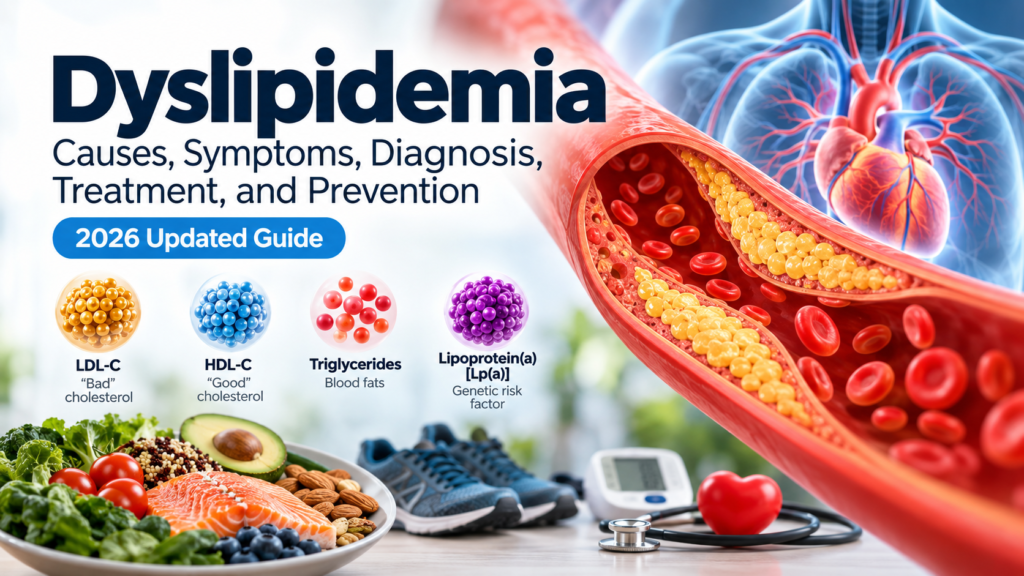
Dyslipidemia is a medical condition characterized by abnormal levels of fats, called lipids, in the blood. These abnormalities may include high low-density lipoprotein cholesterol (LDL-C), elevated triglycerides, low high-density lipoprotein cholesterol (HDL-C), or a combination of these problems.
Dyslipidemia is one of the major modifiable risk factors for atherosclerotic cardiovascular disease (ASCVD), including heart attack, ischemic stroke, and peripheral artery disease. High cholesterol usually causes no symptoms, so many people do not know they have it until a blood test or cardiovascular event reveals the problem.
The good news is that dyslipidemia can often be managed effectively through healthy lifestyle changes, appropriate medication, and regular medical follow-up.
The 2026 ACC/AHA multisociety guideline emphasizes personalized cardiovascular risk assessment, early prevention, appropriate LDL-C goals, and greater attention to other atherogenic particles, including lipoprotein(a) [Lp(a)].
1. What Is Dyslipidemia?
Dyslipidemia refers to abnormal blood lipid levels. The main types include:
- High LDL cholesterol: LDL-C contributes to cholesterol accumulation in artery walls and is a major cause of atherosclerosis.
- High triglycerides: Elevated triglycerides are associated with metabolic disease and cardiovascular risk. Very high levels can cause acute pancreatitis.
- Low HDL cholesterol: Low HDL-C is associated with increased cardiovascular risk, although simply raising HDL-C with medication has not been shown to reliably prevent cardiovascular events.
- High non-HDL cholesterol: This represents cholesterol carried by all atherogenic lipoproteins, including LDL and triglyceride-rich particles.
- Elevated lipoprotein(a): Lp(a) is a largely genetically determined lipoprotein that increases cardiovascular risk independently of LDL-C.
A person may have more than one lipid abnormality at the same time.
2. What Causes Dyslipidemia?
Dyslipidemia can result from genetic factors, lifestyle habits, underlying medical conditions, or medications.
Lifestyle-related causes
- Eating excessive saturated fats and trans fats.
- Consuming large amounts of refined carbohydrates and added sugar.
- Physical inactivity.
- Overweight, obesity, and abdominal fat accumulation.
- Excessive alcohol consumption, especially in people with elevated triglycerides.
- Smoking, which increases overall cardiovascular risk.
Medical conditions
Several diseases can contribute to abnormal lipid levels:
- Type 2 diabetes and insulin resistance.
- Hypothyroidism.
- Chronic kidney disease and nephrotic syndrome.
- Chronic liver disease and certain metabolic disorders.
- Obesity and metabolic syndrome.
Genetic causes
Familial hypercholesterolemia and other inherited lipid disorders can produce very high cholesterol levels from an early age. A family history of premature heart attack or stroke should raise suspicion of an inherited condition.
Medication-related causes
Some corticosteroids, retinoids, immunosuppressive drugs, certain diuretics, and other medications can adversely affect lipid levels. Medication review is an important part of the assessment.
3. What Are the Symptoms of Dyslipidemia?
Most people with dyslipidemia have no noticeable symptoms. High cholesterol does not usually cause headaches, dizziness, or fatigue.
However, prolonged exposure to elevated atherogenic cholesterol can lead to plaque buildup in arteries, resulting in:
- Coronary artery disease and heart attack.
- Ischemic stroke or transient ischemic attack.
- Peripheral artery disease, which may cause leg pain during walking.
Some people with severe inherited lipid disorders develop visible cholesterol deposits, such as tendon xanthomas or yellowish deposits around the eyelids called xanthelasma.
Important: Chest pain, sudden weakness on one side of the body, facial drooping, or difficulty speaking requires urgent medical assessment. Do not wait for a cholesterol test.
4. How Is Dyslipidemia Diagnosed?
Dyslipidemia is diagnosed using a blood test called a lipid profile.
A standard lipid profile measures:
- Total cholesterol.
- LDL cholesterol.
- HDL cholesterol.
- Triglycerides.
Non-HDL cholesterol can be calculated by subtracting HDL-C from total cholesterol. Some patients also benefit from apolipoprotein B (ApoB) testing, particularly when triglycerides are elevated or LDL-C may underestimate the number of atherogenic particles.
Additional tests when appropriate
Depending on the patient’s history and examination, clinicians may assess:
- Blood glucose or HbA1c for diabetes.
- Thyroid-stimulating hormone (TSH) for hypothyroidism.
- Kidney function and urine protein.
- Liver enzymes.
- Lipoprotein(a), preferably at least once during adulthood.
- ApoB when additional assessment of atherogenic particle burden is useful.
A fasting lipid profile is particularly useful when triglycerides are markedly elevated or when a more precise triglyceride assessment is needed. Nonfasting lipid testing is acceptable for many routine assessments.
5. What Cholesterol Levels Are Desirable?
There is no single LDL-C target appropriate for every person. Treatment decisions depend on overall cardiovascular risk, previous cardiovascular events, diabetes, kidney disease, familial hypercholesterolemia, and other risk factors.
The following values are useful general reference points, not substitutes for an individualized treatment plan.
| Lipid measurement | General interpretation |
|---|---|
| Total cholesterol | Below 200 mg/dL is generally desirable |
| LDL-C | Lower levels are preferable, especially in high-risk patients |
| HDL-C | Below 40 mg/dL in men or 50 mg/dL in women is commonly considered low |
| Triglycerides | Below 150 mg/dL is desirable when fasting |
| Non-HDL-C | Helps assess cholesterol carried by all atherogenic particles |
| Lp(a) | At least 125 nmol/L or 50 mg/dL is a cardiovascular risk-enhancing level in the 2026 US guideline |
The LDL-C goal should be selected according to the patient’s cardiovascular risk rather than total cholesterol alone.
6. How Is Cardiovascular Risk Assessed?
Before recommending cholesterol-lowering medication, clinicians consider the patient’s risk of future cardiovascular events.
Important factors include:
- Age and sex.
- Blood pressure and smoking status.
- LDL-C and other lipid measurements.
- Diabetes and chronic kidney disease.
- Family history of premature cardiovascular disease.
- Established coronary, cerebrovascular, or peripheral arterial disease.
- Lp(a) and other risk-enhancing factors when appropriate.
The 2026 ACC/AHA guideline recommends the PREVENT-ASCVD equations for primary-prevention risk assessment in appropriate adults. Coronary artery calcium (CAC) scoring may help reclassify risk when the decision about starting treatment remains uncertain, particularly in selected adults.
A person who has already experienced a heart attack or ischemic stroke generally requires more intensive risk reduction than someone without established cardiovascular disease.
7. Treatment of Dyslipidemia
Treatment combines lifestyle modification with medication when indicated.
A. Lifestyle modification
1. Adopt a heart-healthy diet
Choose vegetables, fruits, legumes, whole grains, nuts, seeds, and other minimally processed foods. Prefer unsaturated fats from sources such as olive oil, nuts, seeds, and fish instead of butter, fatty meats, and other sources rich in saturated fat.
Reduce trans fats, processed meats, excess sugar, refined carbohydrates, and highly processed foods.
2. Exercise regularly
Aim for at least 150 minutes per week of moderate-intensity aerobic activity, or an equivalent amount of vigorous activity, as tolerated. Include muscle-strengthening exercise and reduce prolonged sitting.
3. Achieve and maintain a healthy weight
Weight reduction can improve triglycerides, insulin resistance, blood pressure, and overall cardiovascular risk.
4. Stop smoking
Smoking cessation is an essential component of cardiovascular prevention, regardless of the cholesterol level.
5. Limit or avoid alcohol
Avoiding alcohol is particularly important in patients with high triglycerides. People with severe hypertriglyceridemia should receive individualized advice about complete abstinence.
B. Statins: The first-line medication for many patients
Statins reduce LDL-C by inhibiting hepatic cholesterol synthesis and increasing LDL clearance. They also reduce the risk of major cardiovascular events.
Common statins include:
- Atorvastatin.
- Rosuvastatin.
- Simvastatin.
- Pravastatin.
High-intensity statin therapy generally lowers LDL-C by at least 50%. Examples include atorvastatin 40–80 mg daily and rosuvastatin 20–40 mg daily, when appropriate for the individual patient.
Moderate-intensity statin therapy generally reduces LDL-C by 30–49%.
The choice of medication and dose depends on cardiovascular risk, kidney and liver function, potential drug interactions, tolerability, and the required LDL-C reduction.
C. Additional LDL-lowering medications
If LDL-C remains above the recommended goal despite maximally tolerated statin therapy, additional medications may be appropriate.
Ezetimibe: Reduces intestinal cholesterol absorption and is often the first additional medication.
PCSK9 monoclonal antibodies: Evolocumab and alirocumab can substantially lower LDL-C and reduce cardiovascular events in appropriately selected high-risk patients.
Bempedoic acid: An oral option for selected patients, including some who cannot tolerate recommended statin therapy.
Inclisiran: A small interfering RNA therapy that reduces PCSK9 production and LDL-C. Its role should be considered in the context of the patient’s clinical circumstances and the latest outcome evidence.
The combination of medications should be individualized according to cardiovascular risk, treatment response, availability, and affordability.
D. Management of high triglycerides
Triglyceride management starts with treating underlying causes and improving lifestyle habits.
When fasting triglycerides are persistently elevated, clinicians should assess for uncontrolled diabetes, hypothyroidism, kidney disease, excess alcohol intake, dietary factors, and medication effects.
- For triglycerides of 150–499 mg/dL, lifestyle modification and cardiovascular risk reduction are central; statins are used according to ASCVD risk.
- At 500 mg/dL or higher, medication and dietary intervention may be needed to reduce pancreatitis risk.
- At 1,000 mg/dL or higher, urgent and intensive management is important because pancreatitis risk increases substantially.
Fenofibrate or prescription omega-3 preparations may be considered for selected patients with severe hypertriglyceridemia. Icosapent ethyl may reduce cardiovascular events in eligible high-risk patients with persistent triglyceride elevation despite appropriate statin treatment.
Over-the-counter fish oil supplements should not be considered equivalent to prescription icosapent ethyl.
E. Management of elevated lipoprotein(a)
Lp(a) is largely genetically determined and is an independent risk factor for atherosclerotic cardiovascular disease and calcific aortic valve stenosis.
The 2026 ACC/AHA guideline recommends measuring Lp(a) at least once during a person’s lifetime. A level of at least 125 nmol/L or 50 mg/dL is considered a risk-enhancing factor.
When Lp(a) is elevated, management focuses on controlling LDL-C and other modifiable risk factors more intensively. Selected high-risk patients may be candidates for additional LDL-lowering therapy.
There is currently no universally established Lp(a)-specific medication proven to reduce cardiovascular events and routinely recommended for all patients solely because their Lp(a) is elevated. Specialist assessment may be appropriate for very high levels or premature cardiovascular disease.
8. What Are the LDL-C Goals in the 2026 Guideline?
The 2026 ACC/AHA guideline reintroduces LDL-C and non-HDL-C treatment goals alongside risk-based treatment decisions.
Examples of important LDL-C goals include:
- Very-high-risk secondary prevention: LDL-C below 55 mg/dL and non-HDL-C below 85 mg/dL.
- Many patients with established ASCVD who are not classified as very high risk: LDL-C below 70 mg/dL may be appropriate.
- Primary prevention: The goal depends on the person’s estimated risk, risk-enhancing factors, and clinical context.
Patients with previous cardiovascular events, familial hypercholesterolemia, diabetes, or chronic kidney disease may need more intensive treatment than otherwise healthy adults.
These goals are not interchangeable with a general laboratory reference range. A clinician should determine the appropriate target for each patient.
9. Dyslipidemia in People With Diabetes
People with diabetes have an increased risk of cardiovascular disease. Even when LDL-C is not markedly elevated, diabetes may be associated with high triglycerides, low HDL-C, and increased atherogenic particle burden.
Under the 2026 ADA Standards of Care:
- Adults aged 40–75 years with diabetes and no established ASCVD generally require at least moderate-intensity statin therapy.
- Those at higher cardiovascular risk may need high-intensity statin therapy and an LDL-C goal below 70 mg/dL.
- People with diabetes and established ASCVD should generally receive high-intensity statin therapy, with an LDL-C goal below 55 mg/dL.
- Ezetimibe or a PCSK9 inhibitor may be added when the LDL-C goal is not achieved with maximally tolerated statin therapy.
Diabetes care should also address blood pressure, glucose control, kidney protection, smoking cessation, physical activity, and weight management.
10. Monitoring and Follow-Up
After starting or changing lipid-lowering medication, a repeat lipid profile is commonly obtained in approximately 4–12 weeks to assess the response and adherence. Subsequent monitoring is individualized, often every 3–12 months depending on clinical stability and treatment needs.
Clinicians should also review muscle symptoms, possible medication interactions, and relevant liver or kidney concerns.
Patients should not stop a statin without discussing the reason with their clinician. If adverse effects occur, options may include dose adjustment, switching to another statin, or using combination therapy.
Conclusion
Dyslipidemia is a major modifiable risk factor for heart attack, stroke, and other cardiovascular diseases. Because it usually causes no symptoms, screening and early treatment are essential.
The latest 2026 recommendations emphasize individualized cardiovascular risk assessment, appropriate LDL-C goals, at least one lifetime Lp(a) measurement, healthy lifestyle habits, and evidence-based lipid-lowering medication.
The most effective treatment plan is one that matches the patient’s cardiovascular risk and is maintained over the long term.
Medical disclaimer: This article is for educational purposes only and does not replace an individualized consultation with a qualified healthcare professional. Do not start, stop, or change prescription medication without medical advice.
Frequently Asked Questions (FAQ)
1. What is the main cause of dyslipidemia?
Dyslipidemia can be caused by genetics, unhealthy dietary patterns, obesity, physical inactivity, diabetes, hypothyroidism, kidney disease, and certain medications. Many patients have more than one contributing factor.
2. Can high cholesterol cause symptoms?
Usually not. Most people with high cholesterol feel well. A blood test is needed to identify the condition before complications develop.
3. What is the most dangerous type of cholesterol?
Elevated LDL-C is a major causal risk factor for atherosclerotic cardiovascular disease. Other atherogenic particles, including triglyceride-rich remnants and Lp(a), also contribute to cardiovascular risk.
4. Can dyslipidemia be treated without medication?
Some people at lower cardiovascular risk can initially focus on lifestyle changes. However, people with established ASCVD, severe hypercholesterolemia, or other high-risk conditions often need medication in addition to lifestyle measures.
5. What is the best medication for high cholesterol?
Statins are first-line therapy for many patients because they lower LDL-C and reduce cardiovascular events. Ezetimibe, PCSK9 inhibitors, bempedoic acid, or other treatments may be added or substituted when appropriate.
6. Do statins damage the liver?
Serious liver injury from statins is rare. Clinicians assess liver-related risk when appropriate and investigate symptoms or significant abnormalities. Most patients can use statins safely under medical supervision.
7. Can I stop taking statins once my cholesterol becomes normal?
Do not stop treatment without medical advice. Cholesterol often improves because the medication is working. Stopping it may allow LDL-C to rise again and reduce long-term cardiovascular protection.
8. What triglyceride level is dangerous?
A fasting triglyceride level of 500 mg/dL or higher warrants evaluation and consideration of treatment to reduce pancreatitis risk. Levels of 1,000 mg/dL or higher require particularly urgent attention.
9. What is lipoprotein(a), and should I test it?
Lp(a) is an inherited cholesterol-carrying particle associated with increased cardiovascular risk. The 2026 ACC/AHA guideline recommends measuring it at least once during adulthood, especially when there is a family history of premature cardiovascular disease.
10. Can exercise lower LDL cholesterol?
Regular physical activity improves overall cardiovascular health and often lowers triglycerides while improving insulin sensitivity. Its effect on LDL-C may be modest, so medication may still be necessary.
11. Do eggs cause high cholesterol?
Dietary cholesterol affects people differently. Overall dietary patterns, saturated fat intake, genetics, and metabolic health are important. Most people should prioritize a balanced diet and limit foods high in saturated fat rather than focusing on a single food alone.
12. How often should cholesterol be checked?
The interval depends on age, cardiovascular risk, lipid levels, family history, and treatment. After starting or adjusting medication, repeat testing is commonly performed within 4–12 weeks. Stable patients may need testing every 3–12 months or at another clinically appropriate interval.
13. What LDL-C level should I aim for?
There is no universal target. The appropriate goal depends on whether you have established cardiovascular disease, diabetes, kidney disease, familial hypercholesterolemia, or other risk factors. Patients at very high cardiovascular risk may need an LDL-C below 55 mg/dL.
14. Is high HDL cholesterol enough to protect me from heart disease?
No. HDL-C is one part of the lipid profile, but a high HDL-C level does not eliminate the risks associated with high LDL-C, smoking, hypertension, or diabetes. Management should focus on overall cardiovascular risk and reducing atherogenic lipoproteins.
15. Can young adults have dyslipidemia?
Yes. Genetic conditions such as familial hypercholesterolemia can cause very high LDL-C from childhood or early adulthood. Early detection and treatment can reduce cumulative exposure to high LDL-C and future cardiovascular risk.
References
- Blumenthal RS, Morris PB, Gaudino M, et al. 2026 ACC/AHA/AACVPR/ABC/ACPM/ADA/AGS/APhA/ASPC/NLA/PCNA Guideline on the Management of Dyslipidemia: A Report of the American College of Cardiology/American Heart Association Joint Committee on Clinical Practice Guidelines. Circulation. Published online March 13, 2026. doi:10.1161/CIR.0000000000001423.
- American Diabetes Association Professional Practice Committee. 10. Cardiovascular Disease and Risk Management: Standards of Care in Diabetes—2026. Diabetes Care. 2026. doi:10.2337/dc26-S010.
- American Heart Association. 2026 Guideline on the Management of Dyslipidemia: Top Things to Know. Available at: https://professional.heart.org/en/science-news/2026-guideline-on-the-management-of-dyslipidemia/top-things-to-know
- American Diabetes Association. Standards of Care in Diabetes—2026. Available at: https://professional.diabetes.org/standards-of-care
- Grundy SM, Stone NJ, Bailey AL, et al. 2018 AHA/ACC/AACVPR/AAPA/ABC/ACPM/ADA/AGS/APhA/ASPC/NLA/PCNA Guideline on the Management of Blood Cholesterol. Circulation. 2019;139–e1143. doi:10.1161/CIR.0000000000000625. This is a historical reference superseded by the 2026 multisociety guideline.